
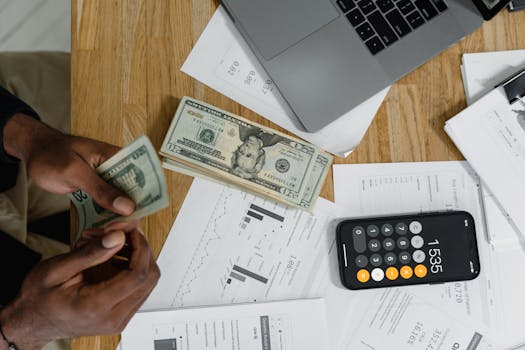

Did you know that a staggering 78% of people live paycheck to paycheck? It’s a statistic that’s both sobering and, frankly, a little depressing. For many of us, the culprit isn’t a sudden catastrophic event, but the slow leak of countless small, daily expenses. That daily latte, the impulse snack, the forgotten subscription – they add up. The good news? Taming these daily expenditures isn’t about deprivation; it’s about awareness and control. And that’s where the best budgeting apps for daily expenses come into play.
Forget complicated spreadsheets and manual ledger entries. Modern tech offers sleek, intuitive tools designed to put you firmly in the driver’s seat of your finances, even for those small, everyday buys. But with so many options, how do you choose the right one? Let’s cut through the noise and get practical.
Why Daily Expense Tracking is Your Financial Superpower
It sounds simple, but consistently tracking what you spend each day is a game-changer. It’s not about scrutinizing every penny for the sake of it, but rather about building a clear picture of your spending habits. Often, we underestimate the cumulative impact of small, recurring costs. A $5 coffee every weekday adds up to $100 a month. A few impulse online purchases here and there can easily erase hundreds of dollars without you even realizing it until your bank balance screams for mercy.
By using one of the best budgeting apps for daily expenses, you gain:
Unparalleled Clarity: See exactly where your money is going, down to the dollar.
Habit Identification: Pinpoint those sneaky spending patterns you might not even be aware of.
Goal Reinforcement: Watching your savings grow as you cut back on non-essentials is incredibly motivating.
Reduced Financial Stress: Knowing you’re in control is a massive relief.
Beyond Basic Tracking: What Makes a Budgeting App Truly “The Best”?
When we talk about the best budgeting apps for daily expenses, we’re not just looking for a digital notebook. We need tools that are proactive, insightful, and, crucially, easy to use. Here’s what to prioritize:
Intuitive Interface: If it feels like a chore to log an expense, you won’t stick with it. Look for clean, user-friendly designs.
Automatic Transaction Import: Linking your bank accounts and credit cards saves immense time and reduces errors.
Customizable Categories: Your spending is unique. The app should let you tailor categories to your lifestyle.
Visual Reporting: Charts and graphs make understanding your financial health much simpler than raw numbers.
Goal Setting & Progress Tracking: Can you set savings goals and see how your daily spending impacts them?
Alerts & Notifications: Getting nudged about overspending or upcoming bills can prevent costly mistakes.
Security: Your financial data is sensitive. Ensure the app uses robust security measures.
Top Contenders: Apps That Actually Make Daily Budgeting Click
While “the best” is subjective and depends on your personal needs, some apps consistently rise to the top for their daily expense management capabilities. Here are a few we often recommend, focusing on what makes them shine for day-to-day tracking:
#### For the Data-Driven Detailer: Mint
Mint has been a long-standing favorite for a reason. It excels at aggregating all your financial accounts—checking, savings, credit cards, investments, and loans—into one comprehensive dashboard.
How it helps with daily expenses: Mint automatically categorizes your transactions, making it easy to see where your daily cash is going. You can set spending targets for specific categories and receive alerts if you’re approaching them. Its visual breakdowns are fantastic for spotting trends.
What to watch for: While excellent for overview, the manual entry for cash can feel a bit clunky if you use cash frequently.
#### For the Simplicity Seeker: PocketGuard
PocketGuard’s core philosophy is elegantly simple: “How much is left to spend?” It focuses on telling you exactly how much “in-your-pocket” money you have after accounting for bills, savings goals, and essential spending.
How it helps with daily expenses: It automatically identifies recurring bills and categorizes your spending, showing you how much discretionary income remains for daily purchases. This direct approach is incredibly effective for preventing overspending on spontaneous buys.
What to watch for: Its free version has limitations; you might need to upgrade for advanced features.
#### For the Conscious Consumer: YNAB (You Need A Budget)
YNAB operates on a zero-based budgeting philosophy, meaning every dollar has a job. While this sounds intense, its methodology fosters incredible intentionality around spending, making it one of the best budgeting apps for daily expenses for those who want to be truly proactive.
How it helps with daily expenses: YNAB forces you to allocate funds for specific categories before you spend. If you want to buy that daily coffee, you need to have budgeted for it. This mindful approach makes you acutely aware of every daily transaction and its impact on your overall financial plan. It’s less about tracking after the fact and more about planning before.
What to watch for: It has a steeper learning curve than some other apps, and it’s a paid service (though many find the investment pays for itself).
#### For the Quick Loggers: EveryDollar
Created by financial guru Dave Ramsey, EveryDollar focuses on the simplicity of the zero-based budget. Its free version is surprisingly robust for tracking expenses manually.
How it helps with daily expenses: If you’re someone who prefers to manually log every transaction as it happens, EveryDollar is fantastic. It keeps your daily spending directly tied to your overall budget categories, ensuring you don’t overspend on impulse buys throughout the day. The paid version syncs with your bank, making it even easier.
What to watch for: The free version requires manual entry, which might be a dealbreaker for some.
Implementing Your Chosen App: The Real Action Plan
Selecting an app is just the first step. To truly harness the power of the best budgeting apps for daily expenses, you need to be consistent.
- Commit to Daily Check-ins: Spend 5-10 minutes each day reviewing your transactions. Did that impulse buy make it in? Is the category correct?
- Be Honest with Categorization: Don’t fudge categories to make yourself look better. If you spent $20 on takeout, categorize it as “Dining Out” or “Food,” not “Groceries.”
- Review Weekly: Take a broader look at your spending patterns each week. Where are you consistently overspending? Where can you cut back?
- Adjust as Needed: Life happens. If your income or expenses change, update your budget. Don’t let the app become a rigid, unattainable ideal.
- Celebrate Wins: Did you stick to your coffee budget for a month? Acknowledge your progress! Small victories fuel long-term success.
Wrapping Up: Is Your Daily Spending Working For or Against You?
The truth is, the best budgeting apps for daily expenses aren’t magic bullets. They are tools. Powerful, insightful tools, yes, but tools nonetheless. Their effectiveness hinges entirely on your commitment to using them consistently and honestly. By making a conscious effort to understand and control your daily spending habits, you’re not just saving money; you’re building financial resilience and paving the way for greater financial freedom.
So, here’s the challenge: which app will you try this week, and what’s the one* daily spending habit you’re determined to get a handle on first?